Your Website Chatbot Grew Up. Is Your Business Ready?
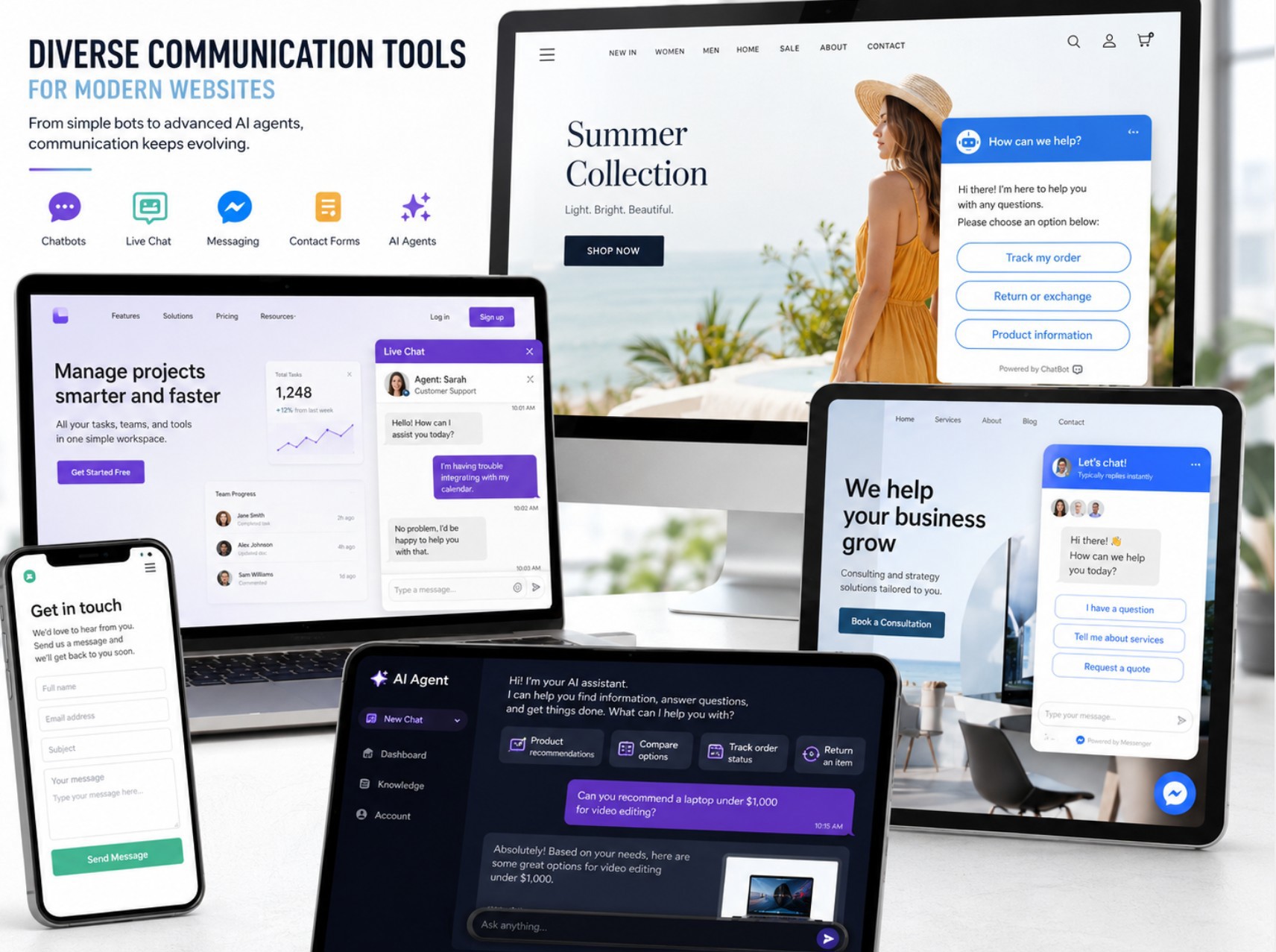
Only a few years ago, having a chatbot on a website looked quite modern. The little window appeared in the corner and politely offered three or four options: “Check an order,” “See our opening hours,” “Talk to support.” Well, it was useful, provided that the customer asked exactly the question the chatbot expected. Ask something slightly different, and the conversation quickly became: “Sorry, I did not understand.” Sometimes, after three attempts, the customer began to feel that the chatbot was not helping but testing their patience.
WhatsApp widgets and live-chat systems improved website communication, but they still depended heavily on people. WhatsApp made sending a message easier. Live chat connected the visitor with an employee. Neither automatically understood the entire business, qualified the visitor or guided the conversation while the team was sleeping.
By mid-2026, a good website AI agent is a very different creature. It can read the company’s website, help center, uploaded documents, product catalogues and pricing information; Also, it can understand questions written in natural language, remember the context of a conversation and provide answers based on the information the business has approved.
Ah, yes, and it can identify what the visitor is trying to achieve: is this person comparing products, looking for technical support, checking whether a service fits their company, preparing to buy, etc. A sophisticated agent can adjust the conversation, suggest a useful next step, collect contact details and route the inquiry to sales, support or another responsible person. In other words, the old chatbot answered buttons. The modern AI agent supports a journey.
This change has happened surprisingly quickly. Salesforce reported in May 2026 that the use of AI agents among customer-service organizations had risen from 39% in 2025 to 66% in 2026. That is a 1.7-times increase in only one year. Seventy percent of organizations using them reported measurable value within the first 60 days, and customer satisfaction was the metric that improved most often.
The technology is developing fast, but customer expectations may be moving even faster. According to Zendesk’s 2026 CX research, 74% of consumers now expect customer service to be available around the clock because of AI. Eighty-three percent of customer-experience leaders believe that AI agents with memory are important for creating genuinely personalized customer journeys. And 85% say customers may leave a brand because of an unresolved problem, even after the first contact.
This creates an interesting problem for businesses. Last year’s impressive website assistant can become this year’s frustrating chatbot. Visitors are becoming accustomed to AI tools that understand ordinary language, remember what has already been said and provide relevant answers immediately. They do not want to repeat the same information to a chatbot, a WhatsApp operator and then a sales representative. They simply want help.
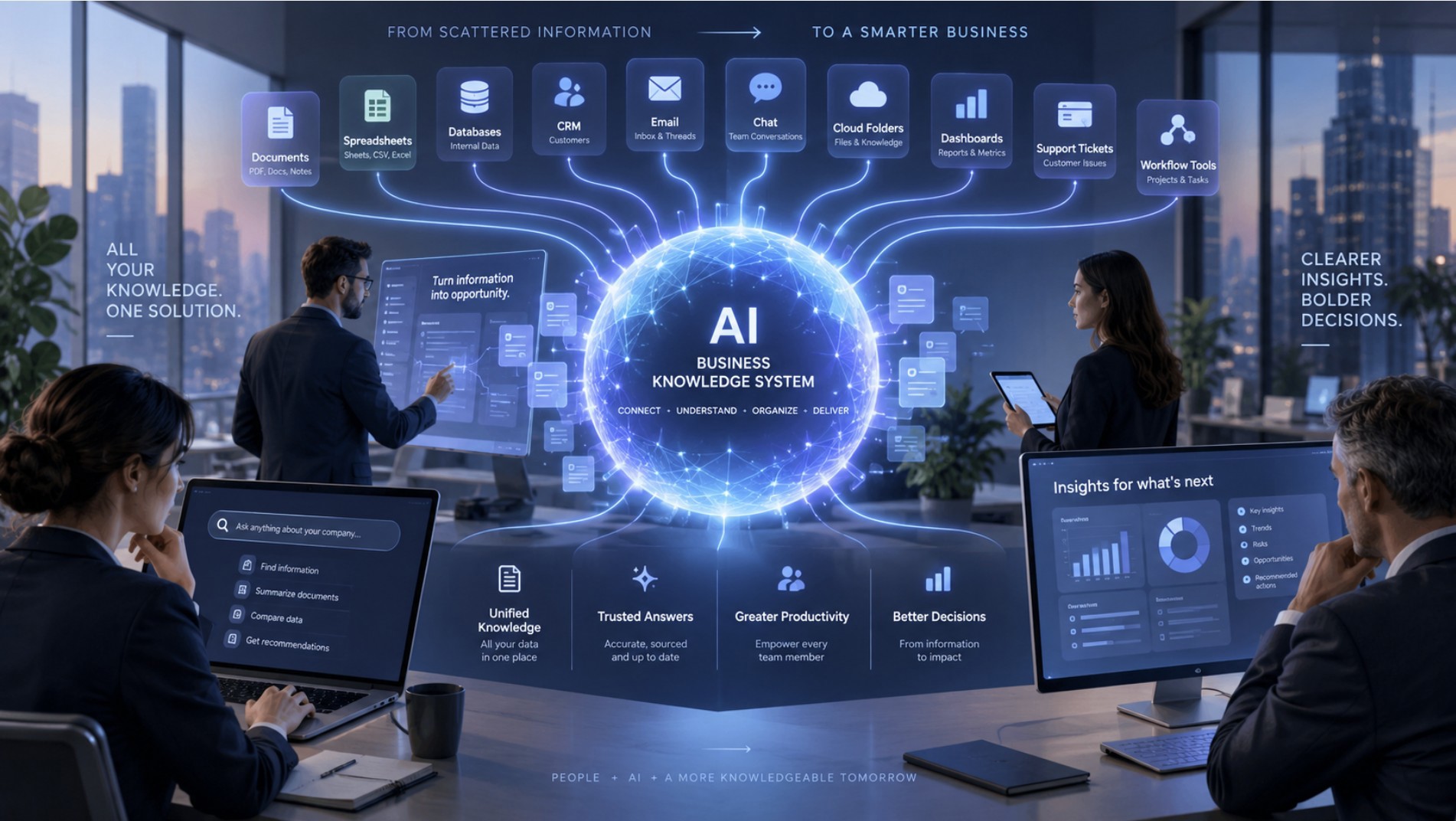
This is the direction in which BizDriver has been developed. The agent can learn from website pages, help-center content, PDFs and structured files such as product catalogues. It can handle pre-sales and support conversations, route inquiries, collect qualified leads and connect with existing ordering, billing or CRM systems through custom integrations.
Of course, this does not mean that people are no longer needed. A good AI agent should know when it can help and when a human should join. Complicated negotiations, sensitive complaints and unusual situations still benefit from human judgment. The agent’s role is not to build a digital wall between the customer and the company. Its role is to open the door, understand why the visitor has arrived and make sure the conversation does not disappear into silence.
Intercom’s 2026 research shows that 82% of senior leaders invested in customer-service AI during the previous year, while 87% planned further investment in 2026. However, only 10% said that their AI had already been fully integrated and was working at scale.
That tells me we are still early. The question is whether those agents will truly understand the business and help customers move forward. In 2026, a website cannot remain only an online brochure. It needs to listen, answer and guide. Because while technology keeps learning, customers are learning too.