The Customer Who Visited at Midnight... and Still Got Help
Not long ago, a business owner told me something that perfectly described the strange relationship many companies have with their websites. “We receive visitors at every hour of the day,” she said. “Unfortunately, our sales team still insists on sleeping.”
A shocking lack of commitment, obviously. Her comment was a joke, but the problem was real. People were visiting her website in the evening, during weekends, and sometimes at hours when no respectable salesperson would be expected to discuss product options. Visitors browsed a few pages, hesitated, and left. The company could see them in its analytics, but it could not speak to them.
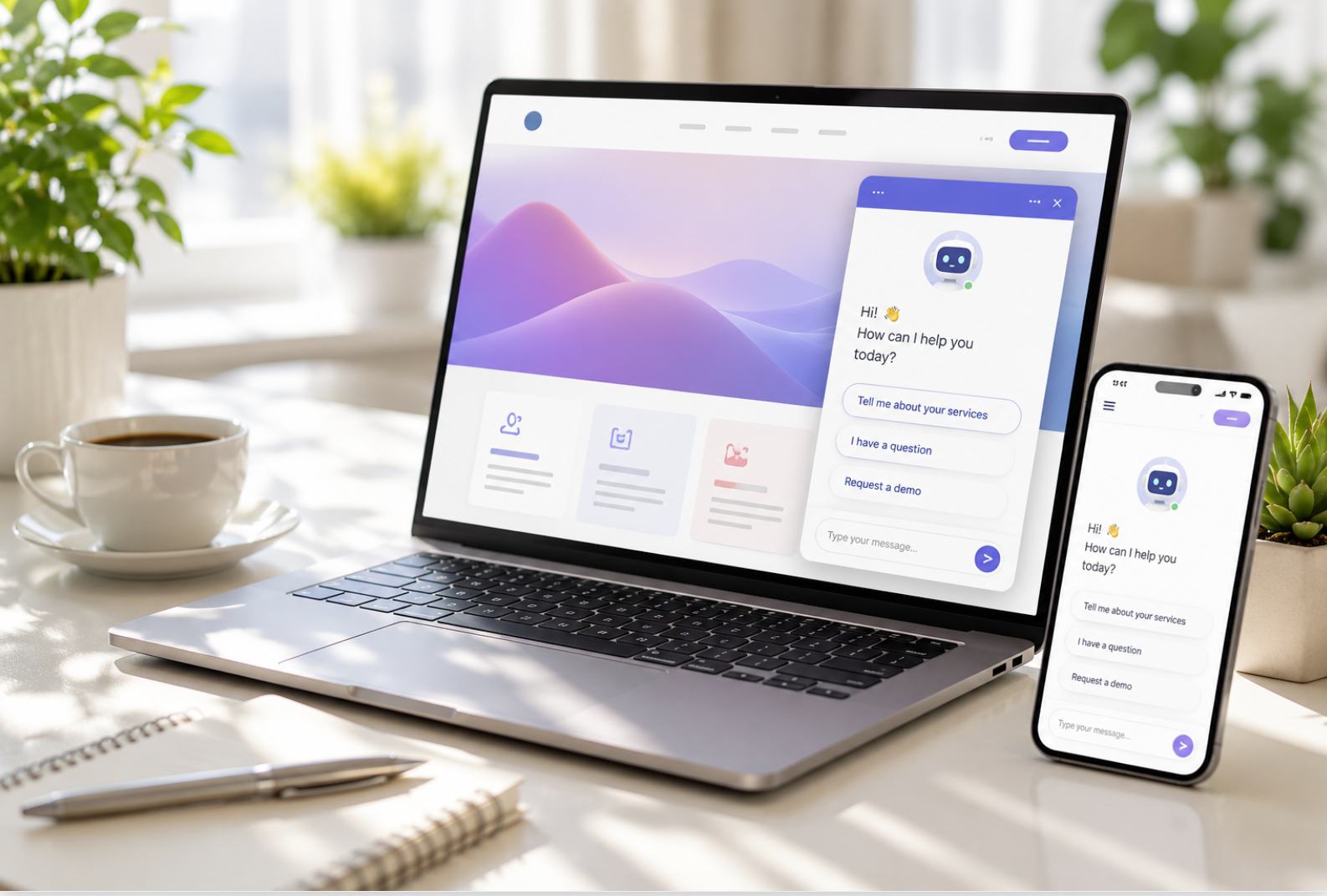
Then the business added an AI agent to the website. The agent did not simply display the traditional Hello! How can I help you? message and then wait patiently for someone to type “human.” It started conversations, answered questions, recommended relevant options, collected contact information, and guided visitors toward the next logical step. And suddenly, the website was no longer an electronic brochure. It had become a place where an actual conversation could happen.
The Audiobook Customer Who Didn’t Know What They Wanted
One of my favorite examples comes from an online audiobook store. The store had thousands of titles. This sounded impressive in marketing materials, but it occasionally created a problem for customers: thousands of options are wonderful until you have to choose one.
A visitor might arrive looking for “something interesting for a long drive.” That is not exactly a search-engine-friendly request. Should the store show thrillers? Business books? A 37-hour historical biography capable of lasting through three countries and one minor family argument?
The website agent could ask a few natural questions: What kinds of stories do you normally enjoy? How long is your journey? Would you prefer something relaxing, funny, educational, or impossible to pause? Based on the answers, the agent could recommend several suitable audiobooks, explain the differences, answer questions about formats or subscriptions, and direct the visitor to the purchase page.
In another conversation, a customer might be searching for a gift. The agent could help narrow the selection by age, interests, preferred language, and budget. Instead of forcing the customer to browse 14 categories and eventually reconsider the entire idea of gift-giving, it could make the process easy.
The important change was not merely that visitors received faster answers. They received help making a decision. The agent reduced the small doubts that often stand between “This looks interesting” and “Purchase completed.”
The Gym Owner Who Started Selling Memberships After Closing Time
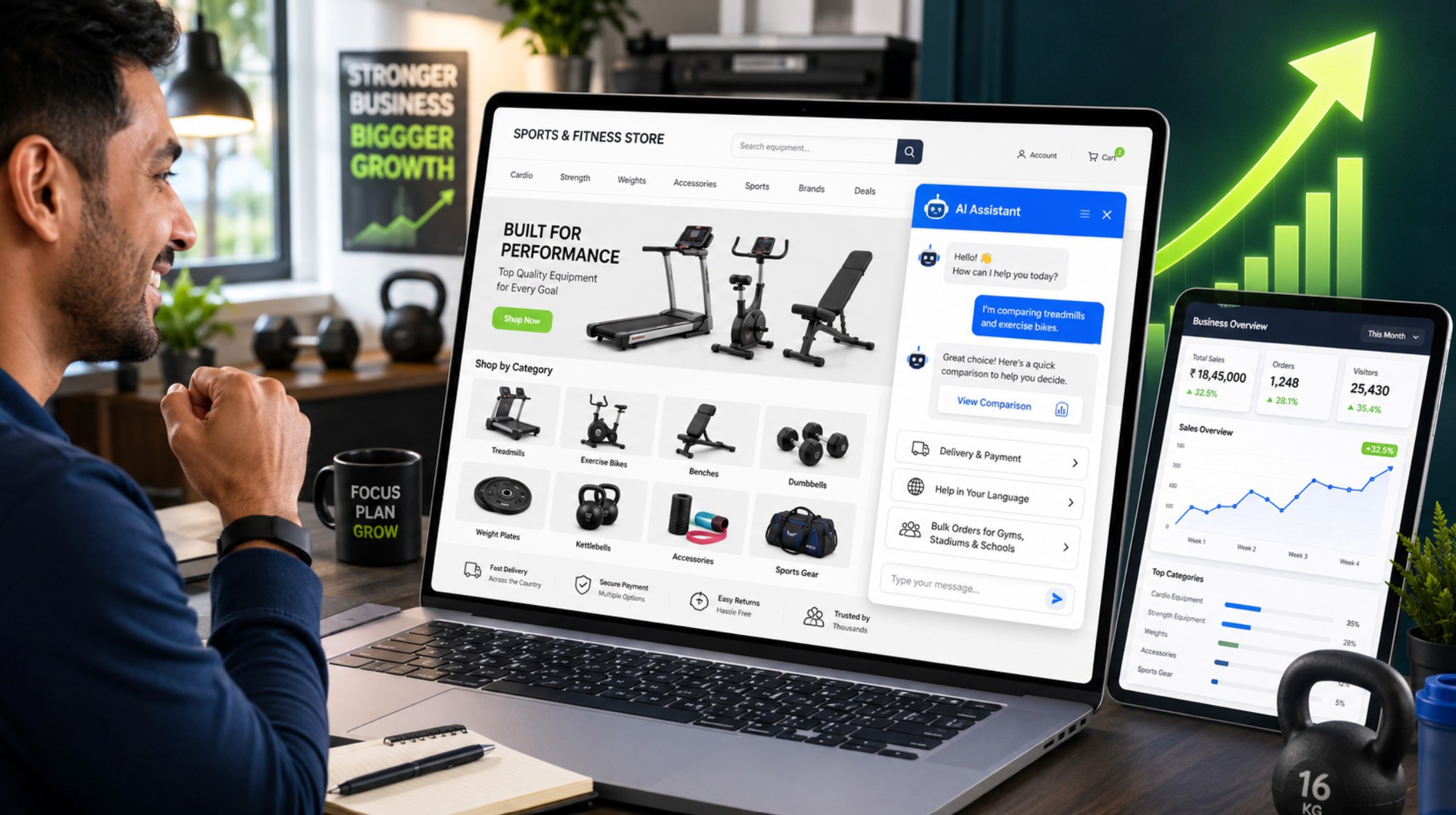
A gym owner described a similar experience after connecting an AI agent to the gym’s website. Before that, potential members repeatedly asked the same questions: How much does membership cost? Are personal training sessions included? Is the gym crowded after work? Can I pause my membership during a holiday? And, naturally, “Do I need to be fit before joining the gym?”
The last question may be one of the great paradoxes of the fitness industry. Previously, visitors submitted a form or planned to call later. Many never did. Once the AI agent appeared, they could receive answers immediately, compare membership options, find the most suitable class, and arrange a visit while their motivation was still alive.
The owner noticed new membership inquiries almost immediately. More importantly, the conversations were better qualified. By the time someone spoke with a staff member, the visitor already understood the available plans and often knew which membership they preferred.
The agent did not replace the gym’s salespeople. It completed the part of the conversation that frequently happened before a salesperson became involved. Staff could then focus on welcoming the visitor, understanding personal goals, and completing the enrollment, not repeating opening hours for the eighth time that morning.
Every Visitor Gets a Conversation
A physical store cannot assign a knowledgeable assistant to every person who looks through the window. A website can, and here website AI agents become particularly valuable. The agent can welcome ten visitors (or hundreds) at the same time. It can explain products without becoming impatient, remember the information provided during the conversation, and gently suggest the next step without behaving like an overeager salesperson who has just discovered quarterly targets.
The broader direction is becoming clear. Gartner predicts that by 2028, at least 70% of customers will use a conversational AI interface to begin their customer-service journey. It also expects agentic AI to resolve 80% of common customer-service issues autonomously by 2029.
Rob Garf, Vice President and General Manager at Salesforce Retail, offers a useful principle: “When deploying AI, whether you focus on top-line growth or bottom-line profitability, start with the customer and work backward.”
That may be the best way to think about a website agent. It is not there because AI is fashionable. It is there because customers have questions, decisions are difficult, and opportunities disappear when nobody responds.
Your next customer may already be on your website—possibly at 11:47 p.m. Let BizDriver Agent meet them. Visit www.bizdriver.ai and try the BizDriver AI Agent before you set it up on your own website.