From Chaos to Growth: 2025’s Unexpected Winners
If I had to paint 2025 with one brushstroke, I’d say it felt like watching the world switch from a quiet walk to a full sprint, while some business owners were still tying their shoes.
Everywhere I traveled, I heard versions of the same confession:
“Iryna, the world suddenly wanted everything faster than we could deliver.”
It didn’t matter if it was a small bakery, a mid-sized software company, or a logistics startup: the pressure was universal.
The cause? A mix of global economic turbulence, fierce new competition, and a sudden, massive leap in AI technology, especially agentic AI, which made automation feel less like a tool and more like hiring capable, tireless digital workers.
What follows is not just an analysis, it’s a collection of stories from real people who lived through that year and somehow found a way not only to survive, but to grow.
The Story of Marta’s Bakery: “I was responding to messages at 2 a.m.”
Let me start with one of my favorite stories.
In Prague, I met Marta, who ran a small bakery famous for its almond croissants. She used to post her daily menu on Instagram, and in 2024 that was enough.
Not in 2025.
Customers wanted:
- instant replies
- quick reservations
- delivery quotes
- custom cake confirmations
- allergen information
…all within minutes.
One evening in March, she told me:
“I was responding to WhatsApp messages at 2 a.m. because if I didn’t reply immediately, people ordered from other bakeries.”
She wasn’t exaggerating, her competitors had begun using AI-powered chat agents that answered within 5–10 seconds.
By April, Marta was exhausted.
She thought she was losing her business.
Then a friend convinced her to try using AI agents.
Within a week, she had:
- one agent replying to messages,
- one handling orders and reservations,
- another one sending reminders to her suppliers.
A month later, she told me:
“I got my sleep back. And sales went up 28% without changing a single recipe.”
Her bakery didn’t just survive, it started attracting customers who praised the “incredible service.”
She laughed when she told me:
“I didn’t do anything. The agents did.”
The Language School That Almost Gave Up
Another story comes from a small language school in Poland run by Piotr and his wife.
They had three teachers, a cozy office, and a loyal group of students.
Then 2025 hit, and big online platforms overwhelmed them with marketing budgets, discounts, and 24/7 support run by automated systems.
New leads stopped coming.
Existing students started shifting to cheaper digital alternatives.
Piotr told me:
“We were not bad. We were just too slow.”
Their turning point came when they introduced a small team of AI agents:
- one handled inquiries
- one scheduled lessons
- one nurtured leads that weren’t ready yet
- one improved retention by sending personalized reminders and learning tips
Within two months:
- their response time dropped from hours to seconds
- student retention increased by 40%
- 1 out of 5 new students came from automated referrals
The most touching part was when Piotr said:
“I didn’t want to replace people. I wanted to save our school. AI didn’t take jobs, it saved three jobs.”
The Real Estate Agent Who Found His “Second Brain”
Last summer, I met a real estate agent named Javier: charismatic, but completely overwhelmed.
He told me:
“I had 300 leads. But I was losing half of them because I forgot to follow up.”
Classic story, right? Not laziness. Not incompetence. Just too much. He started using AI agents to:
- qualify leads
- prepare property descriptions
- schedule viewings
- send newsletters
- organize client preferences
- remind him which clients needed updates
By September, Javi looked like a different person, someone calmer, sharper, more focused.
He said:
“It feels like I finally hired the assistant I always needed, except this one never sleeps.”
His sales grew 35% year over year, even though the market was cooling down.
The Startup in Dubai Where the Chaos Finally Stopped
Now let me tell you about a logistics startup in Dubai, a mess of delays, misplaced parcels, and angry clients in early 2025.
Their founder, Amir, had tried everything:
more staff, more tools, more meetings, more spreadsheets.
Nothing helped.
Their turning point came when they introduced an operational AI agent that:
- tracked parcels
- updated customers
- monitored delivery timelines
- alerted staff of delays
- created daily performance reports
In just six weeks:
- customer complaints dropped 55%
- delivery accuracy improved
- the team stopped drowning in paperwork
Amir told me:
“I didn’t need more people. I needed a system that could keep up with us.”
This echoes what I heard hundreds of times.
By December 2025, these patterns were unmistakable:
The winners adapted quickly. Not perfectly, just quickly.
They embraced AI-powered operations. Not because it was trendy, but because it was necessary.
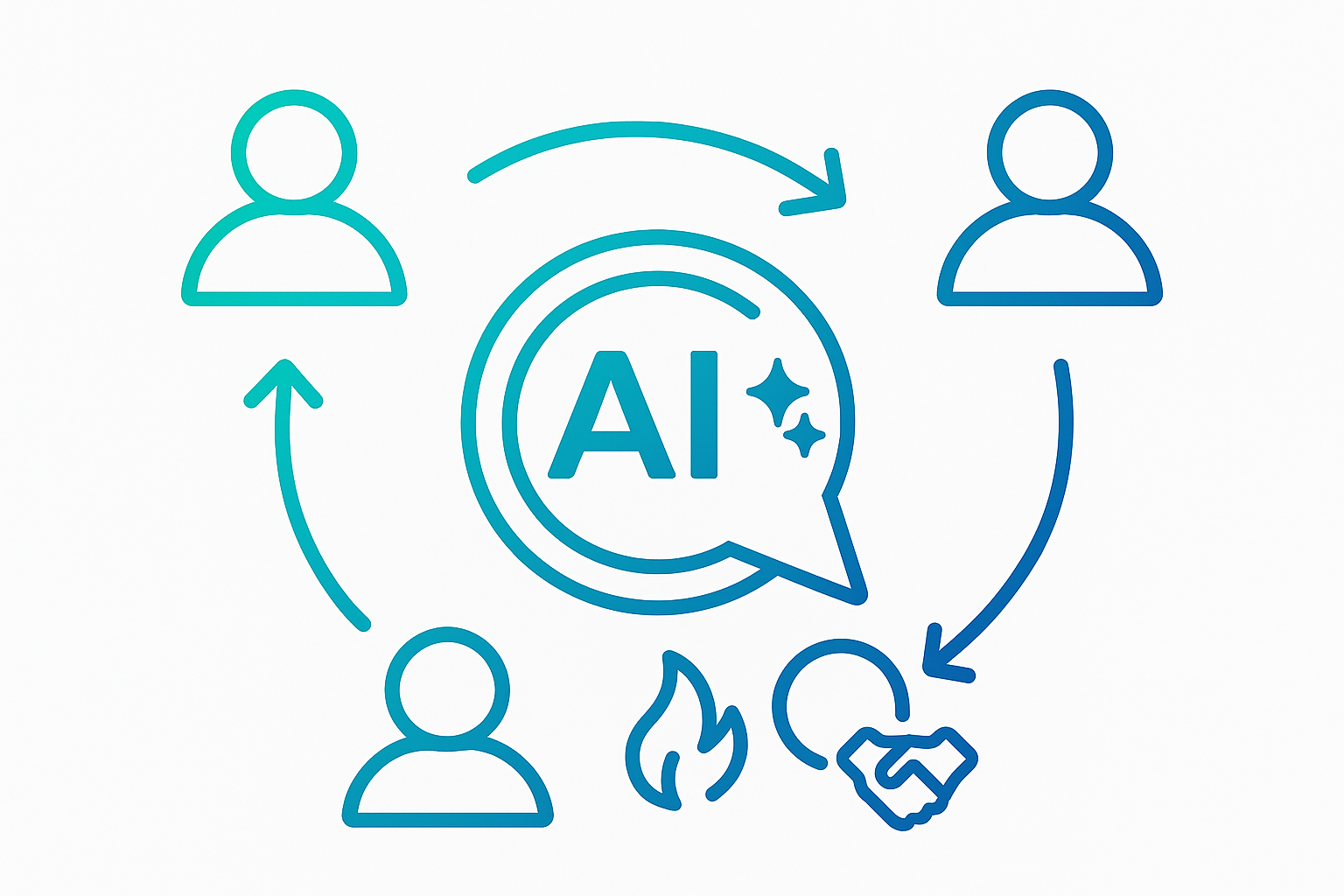
They built hybrid teams: humans + agentic AI. Humans provided judgment and empathy.
Agents provided speed, consistency, and memory.
They focused on customer experience. Instant replies, 24/7 support, and personalized follow-up became survival essentials.
They automated repetitive tasks. Freeing humans to do the meaningful work only humans can do.
They collaborated more. Partnerships, networks, shared leads, shared services: isolation was the enemy of growth.
What 2025 Taught Us All
When I look back at the year, I remember exhausted founders who learned to breathe again.
I remember companies that seemed doomed and suddenly re-emerged.
I remember the relief in owners’ voices when they said things like:
“I finally have mornings without panic.”
or
“We don’t lose leads anymore. It’s magical.”
or
“We’re growing again. I didn’t think it was possible.”
2025 wasn’t easy. It was harsh, fast, and unforgiving. But it also taught us that those who embraced change early grew; Those who waited were left behind.
It showed us that agentic AI is not a distant future. It’s here. It’s practical. It’s transforming everyday businesses quietly, behind the scenes. And most importantly, 2025 reminded all of us that agility, not size, is the true competitive advantage.
As we step into 2026 and beyond, one lesson remains: speed will shape the future. But with the right tools, every business can move fast and breathe while doing it.